The Concept of Raising a Polar Bear
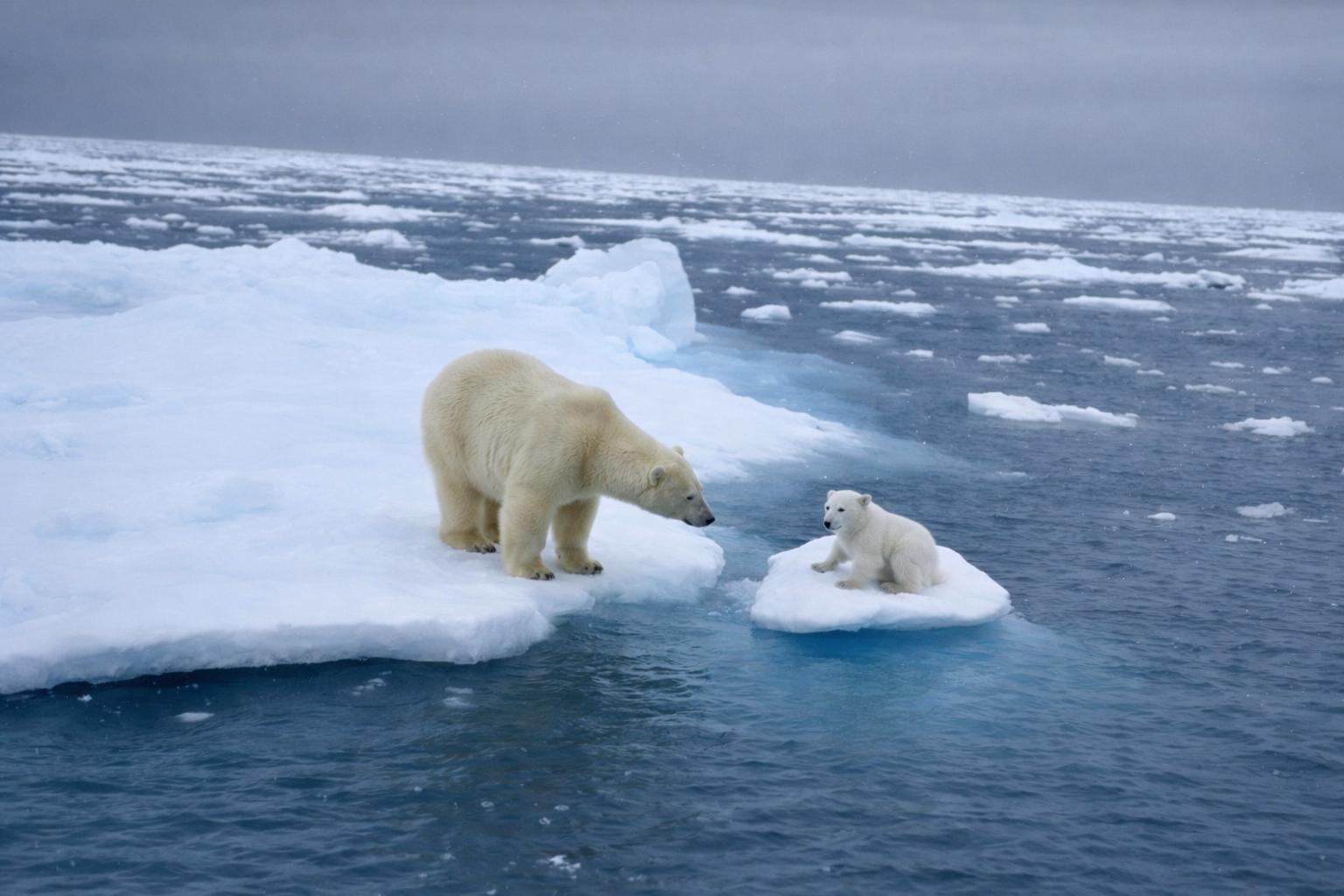
Imagine the extraordinary experience of raising a polar bear right in the comfort of your kitchen. This unconventional idea challenges our perceptions about wildlife and domestic living. While it sounds far-fetched, the notion unlocks discussions about biodiversity, conservation, and the complexities of human-animal interactions.
Understanding the Challenges
Raising a polar bear in a kitchen comes with significant challenges. Firstly, their dietary needs are complex; they require a high-fat diet primarily consisting of seals in the wild. Replicating this in an endearing kitchen environment would not only be impractical but potentially harmful to the bear’s health. Moreover, polar bears are naturally inclined to roam vast distances, making confinement in a home setting ethically questionable.
The Importance of Proper Care
Proper care for a polar bear demands an in-depth understanding of their behaviors and environmental needs. Unlike typical house pets, polar bears exhibit instincts that require vast, icy territories to thrive. The focus should be on conservation efforts to ensure these magnificent creatures are supported in their natural habitats, rather than trying to integrate them into domestic life.
Ultimately, while the idea of raising a polar bear in my kitchen stirs the imagination, it also serves as a compelling reminder of our responsibility towards wildlife. By focusing on preservation in their natural environments, we can ensure the survival of polar bears and continue to educate others about the importance of respecting their role in the ecosystem.